

Weather-Resistant Roofs for Decades of Protection
Commercial Metal Roofing in Wichita Falls for facilities requiring long-term structural protection
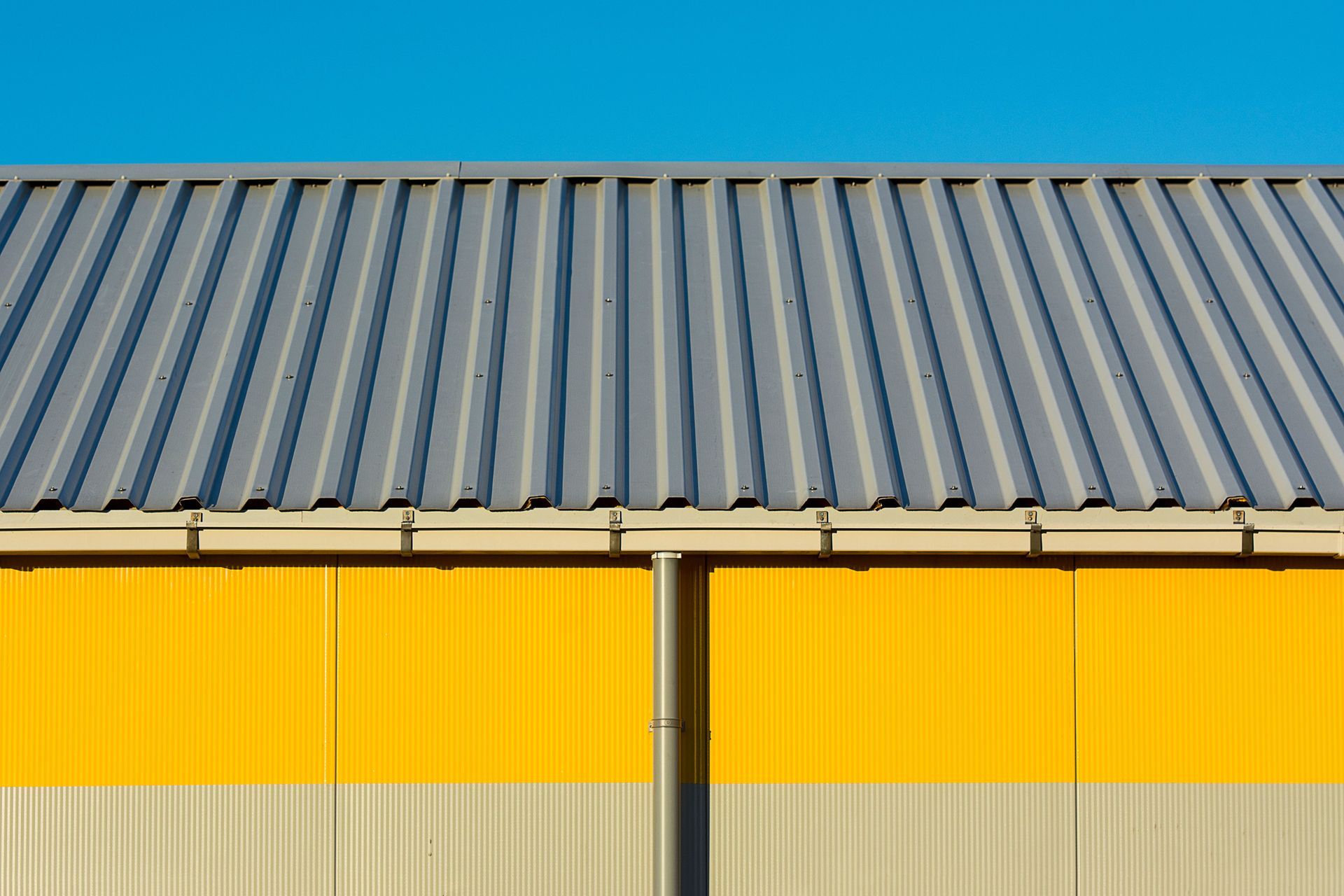
Commercial metal roofing systems installed on agricultural buildings, industrial facilities, retail centers, and warehouse structures deliver performance measured in decades rather than years, outlasting multiple generations of conventional roofing materials. Wind events that damage or destroy built-up and membrane systems leave properly installed metal roofs intact, while hail that punctures other materials bounces off impact-resistant metal panels. When facility managers need roofing that reduces maintenance cycles, withstands severe weather, and provides long-term return on investment, EZ Roofing & Construction LLC installs commercial metal roofing in Wichita Falls designed for structural durability and weather resistance.
Installation involves fastening metal panels to purlins or roof decking using fastener patterns engineered for wind uplift resistance, with panel profiles selected based on roof slope, span requirements, and architectural specifications. Standing seam systems use concealed clips that allow thermal movement without stressing fastener points, while exposed fastener panels employ specialized screws with weather-sealing washers. Proper installation accounts for thermal expansion by allowing panels to move at attachment points, prevents water intrusion through appropriate overlap and flashing details, and addresses structural loads including snow, wind, and equipment mounting.
Request a commercial roofing consultation to evaluate your facility's needs and discuss metal system options.
What Proper Installation and Attention to Structural Details Requires
Metal roof panels must be installed with fastener spacing calculated for wind zone requirements specific to the building location and roof height, because inadequate fastening allows wind to separate panels from the structure while excessive fastening can restrict thermal movement and cause panel buckling. Flashing at roof edges, penetrations, and transitions must channel water away from vulnerable areas without creating pockets where moisture can accumulate. Ridge vents and eave details maintain airflow beneath the panels, managing condensation that forms when interior heat meets cold metal surfaces during winter conditions.
Once installation is complete, you'll notice how the roof sheds rain and snow without retaining moisture, how wind moves across the surface without lifting panel edges, and how the structure remains protected even during severe weather events that damage neighboring buildings. The metal surface reflects solar radiation during summer, reducing heat transfer into the building and lowering cooling costs for climate-controlled facilities. EZ Roofing & Construction LLC uses materials and installation methods appropriate for agricultural operations, industrial applications, and commercial facilities where roof performance directly affects business operations.
Metal roofing for commercial applications carries different considerations than residential installations because building codes, snow load requirements, and wind ratings become more stringent as structure size increases. Panel selection affects both performance and cost, with heavier gauge metal providing greater impact resistance and longer service life at higher material expense. Energy efficiency gains from reflective coatings compound over decades of reduced cooling costs, often justifying higher initial investment when calculated across the roof's expected service life.
Common Questions About This Service
Facility managers and business owners evaluating commercial metal roofing want to understand durability expectations, maintenance requirements, and return on investment before committing to installation projects.
What commercial buildings benefit most from metal roofing?
Agricultural facilities housing equipment or livestock, warehouse structures storing temperature-sensitive inventory, retail buildings with high cooling costs, and industrial operations where roof failure would disrupt production all benefit from metal roofing's durability and low maintenance requirements.
How does metal roofing perform during severe wind and hail?
Properly installed metal roofs resist wind uplift forces exceeding 130 miles per hour when panels are fastened according to engineered specifications, while impact-resistant coatings prevent hail damage that would puncture membrane systems or shatter conventional roofing materials common throughout this region.
What maintenance does commercial metal roofing require?
Metal roofs need periodic inspections to verify fastener tightness, remove debris from valleys and drains, check sealant condition around penetrations, and confirm that panel movement hasn't stressed connections. These inspections occur far less frequently than membrane systems requiring regular seam checks and surface repairs.
When should commercial property owners consider metal roofing?
Facilities with aging roofs requiring frequent repairs, buildings where roof replacement disrupts operations, and properties where long ownership periods justify higher initial investment all represent situations where metal roofing's durability and lifespan provide measurable advantages over conventional systems.
How long does a commercial metal roof typically last?
Metal roofing systems on commercial structures commonly provide 40 to 60 years of protection when properly maintained, significantly outlasting built-up, modified bitumen, and single-ply membrane systems that may require replacement multiple times over the same period.
EZ Roofing & Construction LLC evaluates commercial facilities to recommend metal roofing systems that balance performance requirements, budget constraints, and long-term ownership goals. Schedule an assessment to discuss how metal roofing addresses your facility's specific protection needs and operational considerations.