


Systems That Keep Water Moving Correctly
Flat Roofing Solutions in Wichita Falls for homes and structures experiencing drainage problems
Water that remains standing on a flat roof surface more than 48 hours after rainfall signals inadequate drainage that will eventually lead to membrane failure and interior leaks. Flat roofing demands precise slope calculations, properly positioned drains, and membrane seaming that resists North Texas temperature extremes. When ponding water appears, when membrane edges lift, or when leaks develop around roof penetrations, EZ Roofing & Construction LLC provides flat roofing solutions in Wichita Falls that restore proper drainage and extend roof system life.
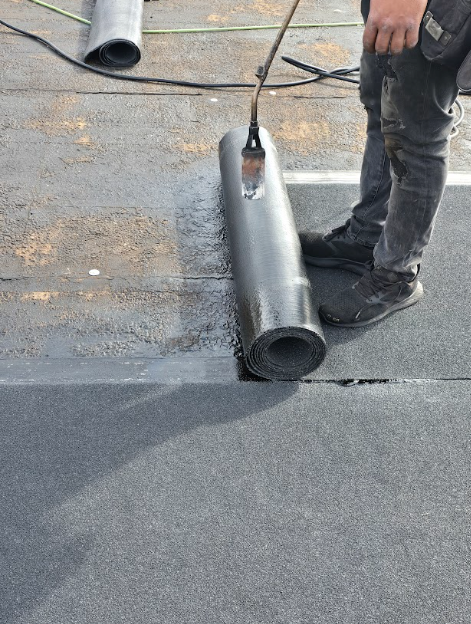
Flat roofs on residential additions, garages, and specialty structures require different installation approaches than sloped systems because water removal depends on intentional grading rather than gravity flow. Installation involves creating slight slopes toward drain locations, heat-welding or adhering membrane seams to prevent separation, and installing cant strips at wall intersections to prevent water from pooling at roof edges. Proper techniques account for substrate movement, thermal expansion, and the weight of standing water that may accumulate during heavy rainfall.
Schedule a professional evaluation to identify drainage issues and document current membrane condition.
What Changes After Proper Drainage Is Established
Correcting flat roof drainage involves adjusting roof deck slope using tapered insulation or lightweight fill, relocating or adding drains at low points where water naturally collects, and ensuring membrane attachment withstands wind uplift without creating raised edges where water can migrate beneath the surface. The roof must shed water within the design timeframe while resisting punctures from foot traffic, debris impact, and thermal stress cycles that occur throughout the year.
Once drainage problems are resolved and membrane integrity is restored, you'll see water flowing toward drains rather than forming shallow pools, dry roof surfaces within hours after storms pass, and interior ceilings that remain free from water stains and soft spots. The membrane lies flat against the substrate without bubbling or wrinkling, and seams remain bonded even when exposed to temperature swings between cold winter nights and hot summer afternoons common in this region.
Flat roofing materials include modified bitumen applied in multiple layers, single-ply membranes such as TPO or EPDM, and built-up systems using alternating layers of reinforcing fabric and waterproofing asphalt. Each material offers different performance characteristics related to installation method, seam strength, and resistance to UV degradation. Regular inspections identify small problems before they escalate into emergency repairs or full replacement needs.
Common Questions About This Service
Property owners dealing with flat roof problems often need clarity about drainage requirements, repair methods, and material options before moving forward with solutions.
What causes ponding water on flat roofs?
Inadequate slope design during initial construction, substrate settling over time, deflection in structural members supporting the roof deck, or blocked drains all prevent water from moving off the roof surface. Even roofs described as flat require minimum slope of one-quarter inch per foot toward drainage points to function properly.
How is membrane deterioration identified before leaks appear?
Surface inspections reveal membrane sections that have lost flexibility and become brittle, seams separating at edges, blistering where moisture is trapped beneath the membrane, and areas where UV exposure has degraded the protective top layer. Catching these conditions early allows targeted repairs rather than emergency replacements.
What repair methods address flat roof leaks?
Small punctures and damaged seams can be patched using compatible membrane material heat-welded or adhered over the affected area, while widespread deterioration or multiple leak points typically require complete membrane replacement to restore reliable weather protection.
When should flat roofs be replaced rather than repaired?
Membrane systems showing extensive cracking, multiple repair layers from previous patch attempts, widespread ponding across large roof sections, or water damage extending into the substrate structure require full replacement to address underlying problems that isolated repairs cannot fix.
How does weather in Wichita Falls affect flat roof performance?
Temperature swings between freezing winter conditions and summer heat exceeding 100 degrees cause repeated expansion and contraction cycles that stress membrane seams, while intense UV exposure during long summer days accelerates surface degradation on flat roofs that receive direct sunlight throughout the day.
EZ Roofing & Construction LLC evaluates flat roof systems to determine whether targeted repairs or complete replacement will deliver lasting protection. Arrange an inspection to assess your flat roof's drainage performance and membrane integrity based on current conditions.