


Low-Maintenance Systems for Commercial Properties
Commercial TPO & PVC Roofing in Wichita Falls for business owners reducing long-term roofing costs
The white or light-colored surface of TPO and PVC roofing membranes reflects solar radiation that would otherwise convert to heat in the building below, reducing cooling loads during the extended summer season when commercial air conditioning expenses peak. These single-ply membrane systems resist punctures, withstand thermal cycling, and maintain waterproofing performance across retail, office, warehouse, and industrial facilities throughout the region. EZ Roofing & Construction LLC installs commercial TPO and PVC roofing in Wichita Falls when property managers and business owners need durable, energy-efficient roof systems that minimize maintenance demands and business interruptions.
Installation begins with substrate preparation to create a smooth, clean surface free from debris or sharp protrusions that could damage the membrane. The membrane is mechanically fastened or fully adhered to the roof deck, then seams between adjacent sheets are heat-welded using hot air equipment that fuses the material at a molecular level. Proper welding technique creates seams stronger than the base membrane itself, preventing separation even when exposed to wind uplift forces and thermal expansion cycles.
Schedule a commercial roof assessment to evaluate your current system and discuss replacement options that minimize operational disruptions.
Why Single-Ply Membranes Work for Commercial Buildings
TPO and PVC membranes arrive at the job site in large rolls that cover substantial roof areas with fewer seams than built-up or modified bitumen systems, reducing the number of potential failure points where water could penetrate. The membranes resist chemical exposure from HVAC exhaust, cooking oils, and industrial processes that degrade other roofing materials. Heat-welded seams bond the thermoplastic material together, creating a continuous weather barrier across the entire roof surface.
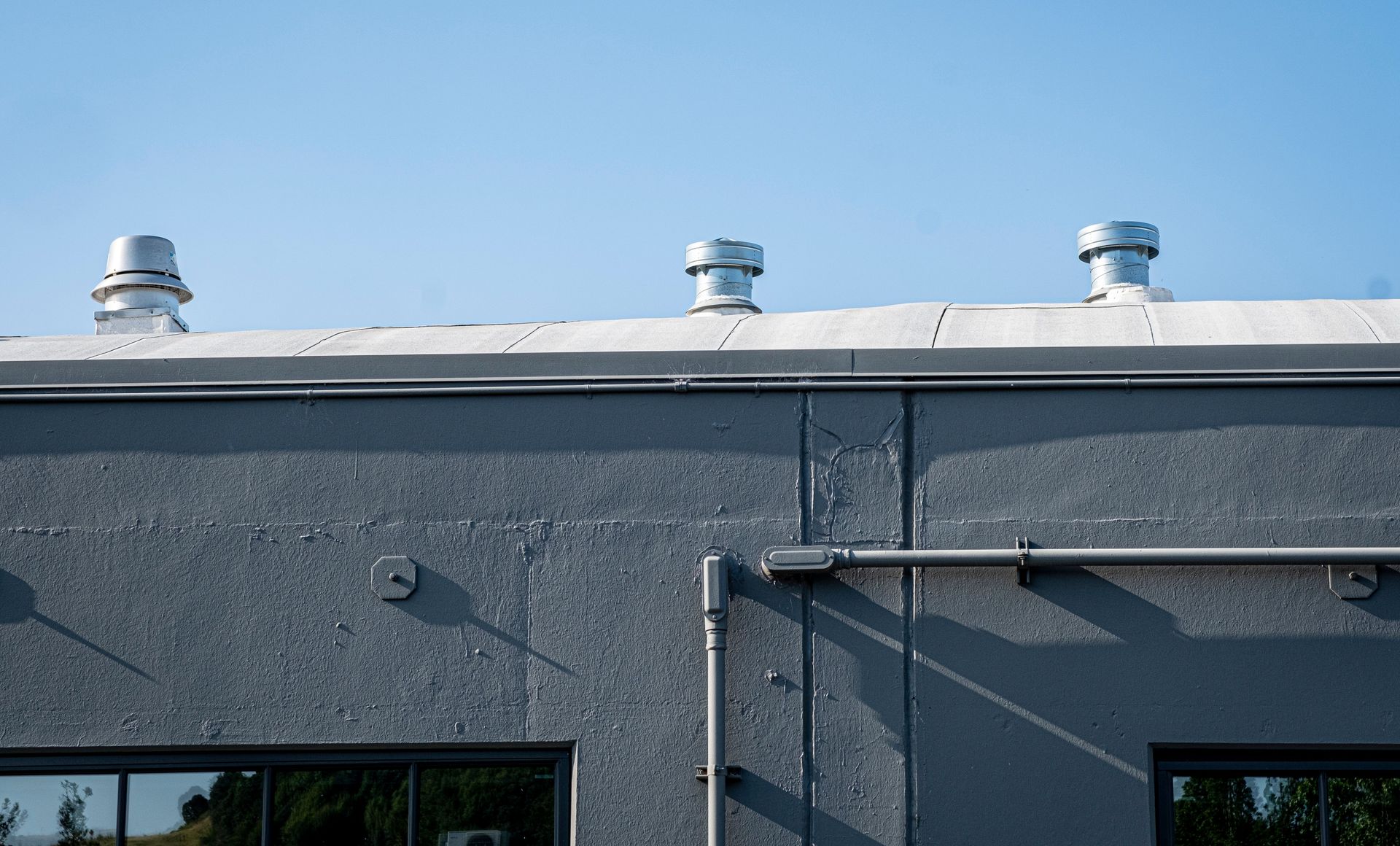
After installation, you'll see a uniform white surface that reflects sunlight, sealed penetrations around rooftop equipment, and properly integrated edge details that secure the membrane against wind uplift. Interior spaces below remain dry during rainfall, and cooling equipment runs less frequently because the roof surface isn't absorbing and transmitting solar heat into the building. Professional project management during installation coordinates work schedules to avoid disrupting business operations, completes sections systematically to maintain weather protection, and communicates progress throughout the project timeline.
These membrane systems require minimal maintenance beyond periodic inspections to verify seam integrity and remove debris that could cause punctures or block drainage. The smooth surface doesn't accumulate dirt or organic growth like textured materials, and repairs can be completed using heat-welding techniques that restore the membrane to original condition. Energy efficiency benefits accumulate over the roof's service life as reduced cooling costs offset initial installation investment.
Questions Before Starting Your Project
Commercial property managers evaluating roof replacement want to understand installation requirements, performance expectations, and how the project will be managed to protect business continuity.
What makes TPO and PVC roofing energy efficient?
The highly reflective white surface bounces solar radiation back into the atmosphere rather than allowing it to convert to heat at the roof surface, keeping the roof deck and building interior cooler. This reflectivity matters particularly in Wichita Falls where summer temperatures regularly exceed 95 degrees and air conditioning represents a major operating expense for commercial buildings.
How are seams sealed to prevent leaks?
Hot air welding equipment heats the overlapping edges of adjacent membrane sheets to their melting point, then pressure rollers fuse the softened material together as it cools. The resulting bond is stronger than the membrane itself, creating a watertight seam that resists separation even when subjected to thermal expansion, wind uplift, and structural movement.
What happens if the membrane is punctured or damaged?
Small punctures and tears can be repaired by heat-welding a patch of matching membrane material over the damaged area, restoring full waterproofing performance. The thermoplastic nature of TPO and PVC allows field repairs that chemically bond to the existing membrane rather than relying on adhesives or sealants that may deteriorate over time.
How long does installation take on commercial buildings?
Project duration depends on roof size, complexity of penetrations and equipment, weather conditions, and whether complete tear-off or retrofit installation methods are used. Most commercial projects are scheduled in phases to maintain business operations and protect exposed areas from weather.
When is the best time to schedule commercial roof replacement?
Off-season periods when business activity is reduced, or planned closure dates when the building is unoccupied, provide optimal timing for roofing work that may generate noise or require temporary equipment shutdowns.
EZ Roofing & Construction LLC manages commercial roofing projects with attention to scheduling, safety protocols, and clear communication that keeps property managers informed throughout installation. Request a commercial roofing consultation to discuss system options and project planning for your facility.